Featured
Table of Contents
In his 4 years as President, President Trump did not sign into law a single piece of legislation that lowered deficits, and just signed one bill that meaningfully reduced costs (by about 0.4 percent). On net, President Trump increased costs quite substantially by about 3 percent, leaving out one-time COVID relief.
Throughout President Trump's term in office, federal debt held by the public grew by $7.2 trillion from $14.4 to $21.6 trillion., President Trump's last spending plan proposal introduced in February of 2020 would have enabled debt to rise in each of the subsequent ten years, from $17.9 trillion at the end of FY 2020 to $23.9 trillion by the end of FY 2030.
*****Throughout the 2024 presidential election cycle, US Budget plan Watch 2024 will bring info and accountability to the campaign by analyzing prospects' propositions, fact-checking their claims, and scoring the fiscal cost of their programs. By injecting a neutral, fact-based method into the national conversation, United States Budget Watch 2024 will help citizens much better comprehend the nuances of the prospects' policy propositions and what they would imply for the country's financial and financial future.
Analysing Proven Debt Plans in 2026
1 Throughout the 2016 project, we kept in mind that "no possible set of policies could settle the financial obligation in 8 years." With an additional $13.3 trillion included to the debt in the interim, this is even more true today.
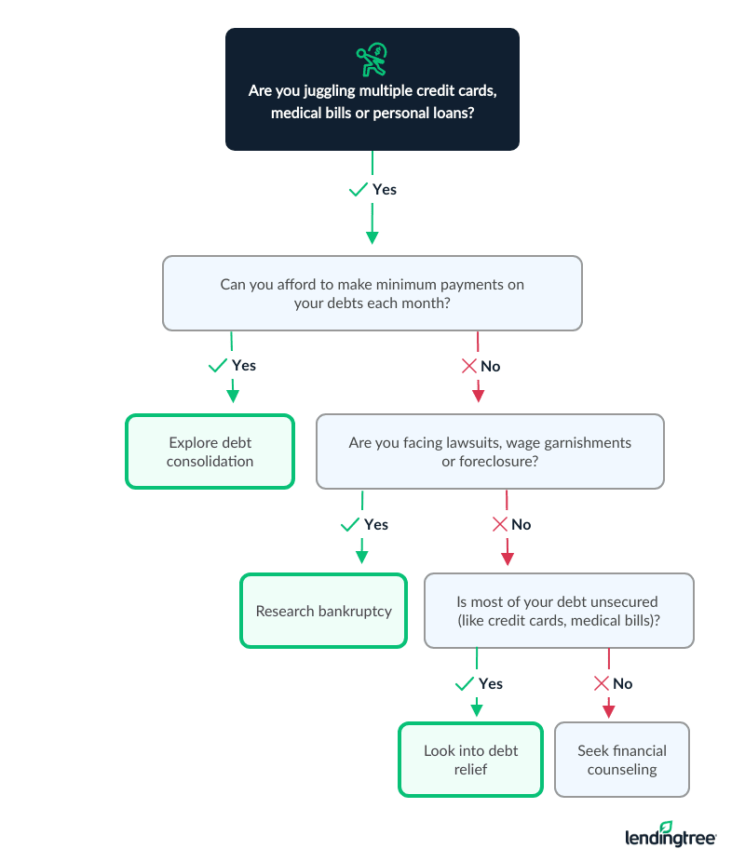
Charge card financial obligation is one of the most typical financial tensions in the USA. Interest grows quietly. Minimum payments feel workable. One day the balance feels stuck. A clever plan modifications that story. It gives you structure, momentum, and emotional clarity. In 2026, with greater borrowing expenses and tighter home budget plans, technique matters more than ever.
We'll compare the snowball vs avalanche technique, discuss the psychology behind success, and check out alternatives if you require additional support. Nothing here guarantees immediate outcomes. This is about consistent, repeatable progress. Charge card charge some of the highest customer rates of interest. When balances linger, interest eats a large portion of each payment.
It provides direction and measurable wins. The objective is not only to remove balances. The real win is building practices that prevent future debt cycles. Start with complete exposure. List every card: Current balance Rates of interest Minimum payment Due date Put everything in one document. A spreadsheet works fine. This step removes unpredictability.
Clearness is the foundation of every effective credit card debt benefit plan. Time out non-essential credit card costs. Practical actions: Use debit or cash for day-to-day costs Eliminate stored cards from apps Hold-up impulse purchases This separates old financial obligation from current habits.
Strengthen Credit Health With Effective Education
This cushion protects your reward strategy when life gets unpredictable. This is where your debt technique USA technique ends up being concentrated.
When that card is gone, you roll the freed payment into the next tiniest balance. Quick wins build self-confidence Development feels visible Motivation increases The psychological increase is effective. Lots of people stick with the plan since they experience success early. This method prefers habits over math. The avalanche approach targets the highest interest rate.
Extra cash attacks the most pricey financial obligation. Decreases overall interest paid Accelerate long-term payoff Takes full advantage of efficiency This strategy appeals to individuals who concentrate on numbers and optimization. Both techniques are successful. The very best option depends upon your character. Choose snowball if you need emotional momentum. Pick avalanche if you desire mathematical efficiency.
An approach you follow beats a method you desert. Missed out on payments create fees and credit damage. Set automatic payments for each card's minimum due. Automation protects your credit while you concentrate on your selected reward target. Manually send out extra payments to your concern balance. This system minimizes stress and human error.
Look for practical modifications: Cancel unused subscriptions Lower impulse spending Prepare more meals at home Sell products you do not utilize You do not require extreme sacrifice. Even modest additional payments compound over time. Consider: Freelance gigs Overtime moves Skill-based side work Selling digital or physical products Treat extra earnings as debt fuel.
Handling High APRs in Your State SuccessfullyEvaluating Proven Debt Programs for 2026
Consider this as a momentary sprint, not a long-term lifestyle. Financial obligation benefit is psychological as much as mathematical. Numerous plans stop working because motivation fades. Smart psychological methods keep you engaged. Update balances monthly. Watching numbers drop reinforces effort. Paid off a card? Acknowledge it. Small rewards sustain momentum. Automation and regimens decrease decision fatigue.
Behavioral consistency drives effective credit card financial obligation reward more than ideal budgeting. Call your credit card provider and ask about: Rate decreases Challenge programs Marketing deals Lots of lending institutions choose working with proactive customers. Lower interest means more of each payment strikes the principal balance.
Ask yourself: Did balances shrink? A flexible strategy makes it through real life better than a stiff one. Move debt to a low or 0% intro interest card.
Combine balances into one set payment. This simplifies management and may lower interest. Approval depends on credit profile. Nonprofit agencies structure payment plans with lending institutions. They supply accountability and education. Works out reduced balances. This brings credit repercussions and charges. It fits extreme hardship situations. A legal reset for overwhelming debt.
A strong debt strategy U.S.A. households can rely on blends structure, psychology, and adaptability. Debt reward is rarely about extreme sacrifice.
Handling High APRs in Your State SuccessfullyAnalyzing Interest Rates On Loans in 2026
Paying off credit card debt in 2026 does not need excellence. It needs a clever strategy and consistent action. Each payment reduces pressure.
The smartest relocation is not awaiting the perfect minute. It's starting now and continuing tomorrow.
, either through a debt management strategy, a financial obligation consolidation loan or debt settlement program.

Latest Posts
Accessing Best-Rate Loans and Managing Total Debt

Combine High Interest Credit Card Balances in 2026

How Nonprofit Programs Manage Debt in 2026