Featured
Table of Contents
Schedule is broad however not across the country, and services vary by state. Americor has actually gotten generally favorable customer feedback, with strong rankings on platforms like the BBB and Trustpilot. 3 Developed in 2002 and headquartered in San Mateo, California, it is one of the longest-running and largest debt settlement firms in the U.S.
Flexibility Debt Relief programs generally need at least $7,500 in unsecured financial obligation. Fees are comparable to rivals, typically ranging from 15% to 25%, and are only gathered after a settlement is reached and a payment is made. Clients have access to a customer website to track progress and can authorize or decrease settlements before they are settled.
Accessing Local Financial Assistance Programs in 2026
4 Accredited Debt Relief takes the 5th spot. Established in 2011, it operates alongside Beyond Finance, LLC, which is noted as a recognized member of the ACDR.Accredited usually needs customers to have at least $10,000 in unsecured financial obligation to qualify. Fees fall in the industry series of 15% to 25%, collected just after a debt is settled and a payment is made.
The company has actually made favorable marks in independent reviews from Forbes Advisor and Bankrate. While its availability does not encompass all states, Accredited remains a prominent name in the debt settlement industry. 5 Financial obligation settlement can offer real relief for people having problem with high balances, however picking the ideal company matters.
Before registering, compare charges, availability and evaluates thoroughly to discover the very best fit for your circumstance. Financial obligation settlement is a severe financial step, and dealing with a reputable business can make the procedure more transparent and efficient.
Our viewpoints are our own.
Accessing Community Financial Relief Programs in 2026Effect Link Save Saved Back to Top A white circle with a black border surrounding a chevron pointing up. It shows 'click on this link to return to the top of the page'. Leading Offers From Our Partners.
HUD-Approved Property Counseling in 2026
Those elements contributed to a considerable rise in credit card financial obligation., the U.S. consumer has a typical credit card balance of $6,519.
So, it may come as no surprise that lots of individuals might be having problem with financial obligation. If you are deep in financial obligation and do not understand how to remove of the hole, a financial obligation management plan, or DMP, could provide a lifeline. Working with a credit counselor, you can develop a plan that decreases the rate of interest on your debt, offers you a path to reward and improves payments.
Here's how DMPs work to help you choose whether it might be best for you. A debt management strategy from a not-for-profit credit counseling firm consolidates your unsecured debts into a single economical monthly payment to settle what you owe in 3 to 5 years. You make a payment to the credit therapy company, which disperses the money every month to your lenders.
A financial obligation management plan may have a setup charge and a month-to-month fee. "While nonprofit firms offer their counseling services for free, there is a charge for a lot of debt management plans," states Allison Wetzeler, a certified credit counselor with Customer Credit of Des Moines. Charges can depend on your financial obligation, your budget and regulations in your state, however they are usually "far less than the interest you will save" on the strategy, she says.
Improving Personal Financial Literacy in 2026
This will assist the counselor style a plan that satisfies your needs. Usually, a DMP does not lower the quantity of financial obligation you owe. The credit counseling firm will likely negotiate with your creditors to increase the time you have to pay off the debt, which decreases your regular monthly payments.
Only unsecured financial obligations can be included in a debt management plan. A few of the debts that may be part of a DMP consist of: Charge card costs Medical expenses Individual loans A debt management strategy can take up to 48 months or longer to complete, according to the Federal Trade Commission.
"Most individuals on these strategies can pay their credit card financial obligation, in full, in five years or less," she states. If you enlist in a debt management strategy, you need to adjust from utilizing credit regularly to living a cash-only lifestyle, Maliga states.
[Balance Transfer Credit Cards] Start by identifying a reputable nonprofit credit therapist. Find prospects through the National Structure for Credit Therapy and the Financial Counseling Association of America, and examine their credibility with your state chief law officer or the Bbb. Some concerns to ask to discover the finest credit therapy service, according to the Customer Financial Protection Bureau: Do you use in-person therapy? Do you have complimentary educational materials? What costs do you charge? Do you offer help if somebody can't manage to pay the costs? Is your company licensed in this state? Select carefully.
Smart Ways of Clearing Liabilities in 2026
Do not accept a debt management plan unless you have talked with a credit therapist about your financial situation and worked on a strategy to handle your money issues, the FTC says. You will talk with a counselor in individual, over the phone or online. Prepare by evaluating your credit reports you can access complimentary weekly credit reports on and making a list of your debts.
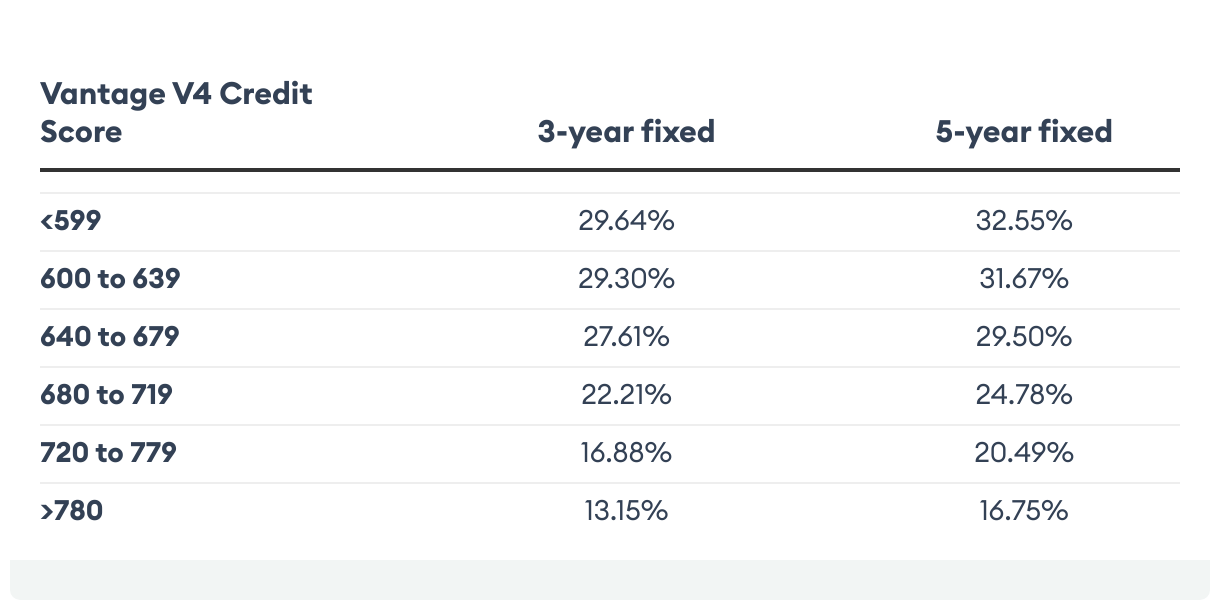
You might be needed to close accounts in a financial obligation management plan, which can impact your credit. "This can trigger a little dip in your credit report," Wetzeler says. "However, many people see a boost in their scores as creditors will continue to report on-time month-to-month payments." By the end of a debt management plan, customers typically emerge in a much more powerful position, Maliga says.
You can develop a positive payment history a crucial credit history element and repay your accounts completely. If you choose that a DMP will not work, consider among these options: This kind of loan rolls several debts into a single set amount. A financial obligation consolidation loan might make sense if the rate of interest is lower than what you are paying on your private financial obligations, Wetzeler states.
Merging Multiple Bills to Lower Amounts for 2026
As soon as the tiniest financial obligation is paid, you use the funds you were putting toward that debt to the next-smallest debt and repeat. This is similar to the snowball method, except that you start by settling the card with the highest rate of interest, working your method down to the card with the most affordable rate, Maliga says.

Latest Posts
Accessing Best-Rate Loans and Managing Total Debt

Combine High Interest Credit Card Balances in 2026

How Nonprofit Programs Manage Debt in 2026